
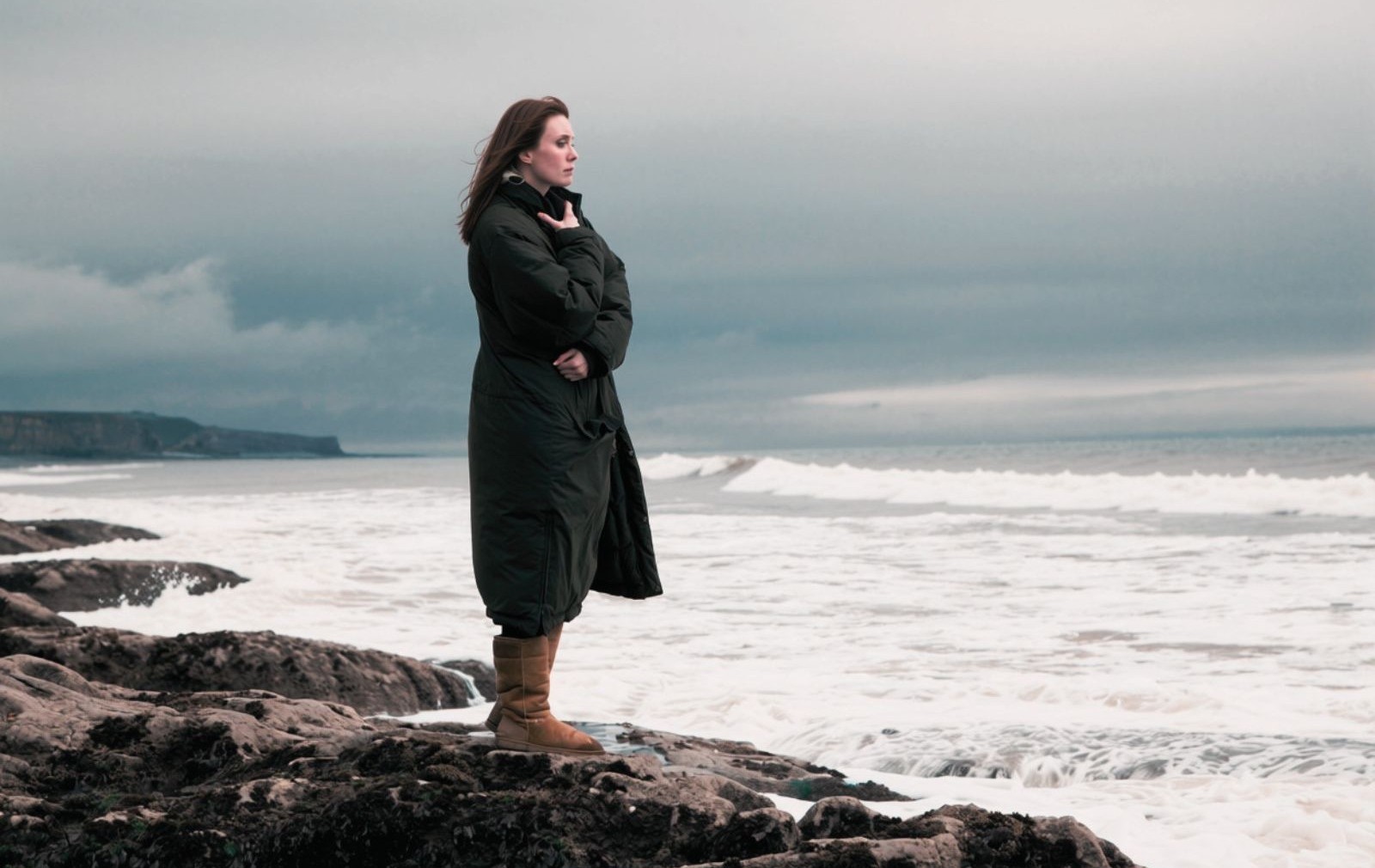
 Living in a Constant State of Waiting:
How IVF and Infertility Can Change You
By Saff Mitten
One of the most difficult parts of an IVF and infertility journey is living in a constant state of waiting.
Waiting becomes woven through almost every stage of the journey, often lasting years.
Having been through infertility and IVF myself, and now supporting women through it as a therapist, one thing has become increasingly apparent to me: living in this constant state of waiting can have a profound psychological impact.
Over time, it can begin to change your relationship with your own life.
Waiting For The Life You Had Always Imagined
One of the reasons this waiting can have such a profound psychological impact is that you are waiting for a future you have imagined for years.
Becoming a mother may have been part of how you always pictured your life unfolding.
It may feel deeply connected to your sense of identity, your future, and the life you always saw yourself living, alongside everything else that gives your life meaning.
For some women, this longing may even feel deeply instinctive. There can be a biological drive towards motherhood that is difficult to fully explain, yet impossible to ignore.
When infertility interrupts that path, the waiting takes on a very different meaning. You are no longer simply waiting for treatment to work. You are waiting for the opportunity to step into a future that has always felt deeply important – and now feels at risk.
Your thoughts naturally become drawn towards the future you long for and whether you will ever get there. The waiting is no longer simply about time passing. It becomes about living with the uncertainty of whether the future you have always imagined will ever become your reality, and what it means for your life if it doesn't.
Living with that uncertainty day in and day out, often over months and years, can be incredibly hard. It isn't simply about whether this cycle will work, or what happens next. It is about living with the possibility that the future you have always imagined may never become your reality. That uncertainty can begin to impact almost every part of your life.
Waiting To Begin Living Again
When IVF first begins, putting other parts of your life on hold can feel like a conscious decision. You tell yourself it will only be for a while. You give treatment your full attention, determined to give it the best possible chance of working.
You may rearrange your life around treatment, pull back from other commitments, make sacrifices and put other plans on hold. It can feel like a price worth paying if it helps you achieve your dream of becoming a mother.
The difficulty is that IVF and infertility rarely follow the timeline you imagined. What you thought might be a few months can gradually become years. Without really noticing it happening, the life you put on hold can become increasingly difficult to return to.
Over time, you may begin to realise that you are no longer just waiting for treatment to work. You are waiting to begin living again.
As a result, the future starts to feel like where your life will finally begin again. It becomes the place where you imagine yourself finally being able to relax, make plans, reconnect with people, enjoy life again and simply be.
Over time, you may begin to feel strangely disconnected from your own life. Not because you don't care about it, but because so much of your emotional energy is invested in a future you are desperately hoping to reach. So, instead of feeling immersed in your own life as it happens, you may begin to feel as though you are watching yourself go through the motions, slightly detached from the day-to-day and not feeling fully present. It may feel almost impossible to fully connect with your life whilst you are in this perpetual state of waiting for IVF to work.
Waiting To Reconnect With The World Around You
Over time, IVF and infertility can begin to consume so much of your emotional energy that there is little room for anything else. Your world can gradually become centred around appointments, treatment, waiting, hope and disappointment. There may be little emotional space or energy left for the things that once felt important, simply because this journey has become so all-encompassing.
It matters more to you than almost anything else.
This can begin to affect how you relate to the people around you. You may find yourself seeing friends and family less often, or feeling unable to be fully present when you are with them. It may become harder to engage in everyday conversations, celebrate other people's milestones, or find joy in the small moments you once enjoyed together.
It isn't necessarily because you care any less. Often, it is because you are emotionally exhausted. Living with prolonged uncertainty can take up so much mental and emotional space that you may have little capacity left to support other people with what they are going through in the way you once did. And when so much of your own life has become consumed by IVF and infertility, you may find there is little else you feel able to talk about.
Perhaps one of the hardest parts is that it can begin to feel as though there is an invisible barrier between you and other people. You are living with something that is so significant, yet often so invisible to everyone else. It can be difficult for others to fully understand the emotional weight you are carrying, leaving you feeling profoundly alone even when you are surrounded by people who care about you.
The world carries on, while you feel as though you're standing on the periphery, looking in rather than really being part of it.
Waiting To Feel Like Yourself Again
Perhaps one of the hardest things about living in this prolonged state of waiting is that, over time, it can begin to change how you relate to yourself.
As the years pass, life becomes centred around treatment, waiting, hope and disappointment. You become disconnected from your own life, and from the world around you. Gradually, you may begin to lose sight of who you were before all of this.
It can become difficult to remember what you were like before infertility became such a significant part of your life. How you engaged with other people. What excited you. What mattered to you. The person you felt yourself to be before appointments, scans and cycles came to dominate so much of your emotional world.
Living through repeated disappointment, grief and loss can also begin to change how you see yourself. Each setback can chip away at your confidence and resilience, leaving you feeling less like yourself than you once did. You may find yourself blaming your body, questioning your worth, or feeling as though you have somehow failed. IVF and infertility can leave you feeling less than, as though you are no longer enough simply as you are.
Over time, infertility can become so woven into your identity that it becomes difficult to separate yourself from the journey itself. It can feel as though it has become such a significant part of who you are that you struggle to remember who you were before it all began.
Perhaps one of the most frightening thoughts is wondering what will be left if your journey doesn't end in the way you desperately hope it will. When infertility has consumed so much of your emotional life for so long, you may struggle to imagine who you will be beyond it. Not only because of the grief of not becoming a mother, but because this journey has come to shape so much of how you see yourself and your place in the world.
Rediscovering Who You Are
Infertility and IVF change you. How could they not?
If this journey has left you feeling disconnected from the world around you, from other people and from yourself, that doesn't mean you can't rediscover that sense of connection.
One of the most important parts of therapy can be creating the space to reconnect with yourself again. Not by trying to go back to the person you were before infertility, because this experience has had such a profound impact that it will have changed you. But that doesn't mean everything about you has changed. Parts of who you were before infertility will still be there, waiting to be rediscovered. Therapy can help you begin reconnecting with those parts of yourself, whether you are still in the midst of your journey or looking back on it afterwards.
Therapy can also help you explore and connect with who you feel you are now, and who you want to become. It can be a process of reconnection, discovery and exploration.
Although this journey may have brought immense pain, grief and loss - and, if your IVF journey was successful, hopefully joy too - it may also have changed you in ways that are not immediately obvious. Part of therapy can be making sense of those changes, recognising the strengths you have developed along the way, and deciding what kind of person you want to be moving forward.
You may not be the same person you were before infertility. But over time, you can begin to feel like yourself again.
If this article resonated with you...
I'm Saff Mitten, a specialist counsellor and psychotherapist supporting women through IVF, infertility and miscarriage.
My approach is shaped by my professional training and experience, together with the personal understanding I bring from my own journey through IVF, infertility and miscarriage.
Through both my therapeutic work and my writing, I explore the emotional and psychological impact of these experiences to help women make sense of feelings that can often be difficult to put into words and feel less alone.
If you're looking for support with infertility, IVF or miscarriage, you can follow the link below to learn more about how I support women through these experiences. I work online and support women across the UK.